

Area rug cleaning can feel intimidating, especially when you’re staring at a beautiful wool or Persian rug, and you’re not quite sure how to clean area rugs safely. One wrong DIY wool rug cleaning step could instantly ruin the fibres or colours.
The challenge is simple but serious: different rug materials require completely different cleaning methods. The technique that works perfectly for synthetic rug cleaning can destroy wool, silk, natural-fibre, Oriental, Persian, or antique rugs in minutes. And since most Durham homeowners don’t know exactly what their rug is made of, DIY cleaning often results in accidental (and costly) damage.
This comprehensive area rug cleaning guide removes the guesswork from wool, synthetic and natural fibre rug care. You’ll learn how to identify your rug material, how to clean your rug safely using proven, fibre-specific methods, and when DIY cleaning is safe versus when professional area rug cleaning is the only risk-free option. By the end, you’ll know exactly how to care for your rug, and when it’s time to call Prestige Carpet Cleaning for expert help.
A Note From Our Professional Rug Cleaning Experts: This area rug cleaning guide is based on decades of professional area rug cleaning experience, but every rug is unique and may react differently to cleaning products or methods. Always proceed with caution, test any cleaner in a hidden area (like the underside of a corner) first, and stop immediately if you notice colour transfer or changes in the fibres.
If you’re ever unsure about your rug’s material or the safest cleaning approach, contacting a professional is the best way to protect your investment. Prestige is always here to help. Learn more about our 35+ years of experience.
TL;DR: Your Quick Guide to Safe Area Rug Cleaning
Not sure how to clean area rugs safely? Here’s the fast version.
- Identify Your Rug Material First. The right cleaning method depends entirely on the rug’s material, and using the wrong one can cause permanent damage. Check the label, backing, fringe, and fibre texture (see our identification table below), or use a rug material identification test. If you’re unsure, call a professional before cleaning.
- Wool Rug Cleaning: Vacuum gently with suction only, blot spills immediately, and use cool water with a wool-safe detergent. Avoid heat, over-wetting, and never steam-clean wool. Professional cleaning is best for large, valuable, or handmade wool rugs.
- Synthetic Area Rug Cleaning (Nylon, Polypropylene, Polyester): These rugs are the easiest to maintain. Vacuum regularly, spot-clean with mild detergent, rinse well, and let dry completely. Hot water extraction and steam cleaning are safe for most synthetics.
- Natural Fibre Rug Care (Cotton, Jute, Sisal, Seagrass): Cotton rugs may be washable if the label allows. Jute, sisal, and seagrass are not water-safe and should only be cleaned with dry or low-moisture methods. Professional cleaning is strongly recommended for all natural fibre rugs to avoid water damage, staining, or warping.
- Delicate & Specialty Rugs (Silk, Oriental, Persian, Antique): Avoid DIY cleaning entirely. These rugs are extremely sensitive to moisture, heat, and agitation. Only vacuum gently and blot carefully if necessary. Contact a professional for stains, spills, or any deep cleaning.
- When to Call a Professional: Choose professional rug cleaning services if your rug is wool, silk, natural fibre, handmade, antique, expensive, sentimental, or has pet odours, deep soil, or set-in stains.
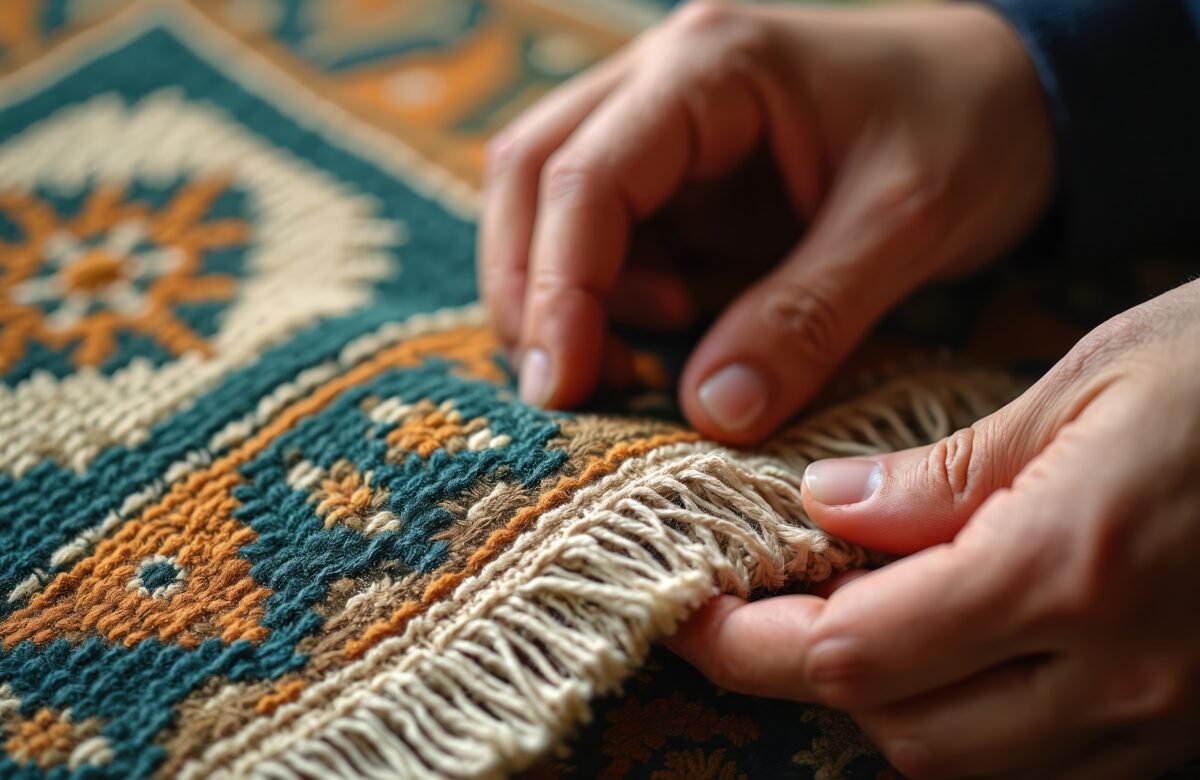
How to Identify Your Area Rug Material
Quick Answer: First, check the label. If there’s no label or it doesn’t specify the material, flip the rug over and inspect the backing. Hand-knotted or mirrored patterns usually indicate wool or silk, while latex or felt backing suggests a synthetic rug. Next, look at the fringe. If it’s part of the rug’s foundation, the rug is likely wool or silk; if it’s sewn on, it’s probably synthetic or a blend. Then evaluate touch and appearance. Wool feels dense and warm, synthetics feel smoother or slightly plastic-like, natural fibres feel coarse, and silk has a shiny sheen. If needed, place a drop of water on a hidden area to see how quickly it absorbs (natural fibres absorb faster than synthetics).
For expensive or sentimental rugs, or if you’re unsure, let an IICRC-certified area rug cleaning technician identify the material before you try any DIY rug cleaning methods.
**Important Note: When in doubt, it’s best (and often cheaper in the long run) to have a professional identify your rug material before you decide how to clean it. For large, expensive, sentimental and/or truly antique rugs, professional rug cleaning is always the safest option to prevent damage and protect the rug’s value.**
Not sure what kind of rug you have? Knowing your rug’s material is the first step to safe, effective cleaning. Once you know what your rug is made of, the rest of this area rug cleaning guide becomes much easier to follow!
Here’s a detailed, step-by-step process for identifying what type of area rug you have.
Step 1: Check the Label
Flip your rug over and check the corners or underside for a fibre content label (e.g., 100% wool, polypropylene, cotton, wool/viscose blend). If you don’t see a label or it doesn’t include the fibre content, move on to the next step.
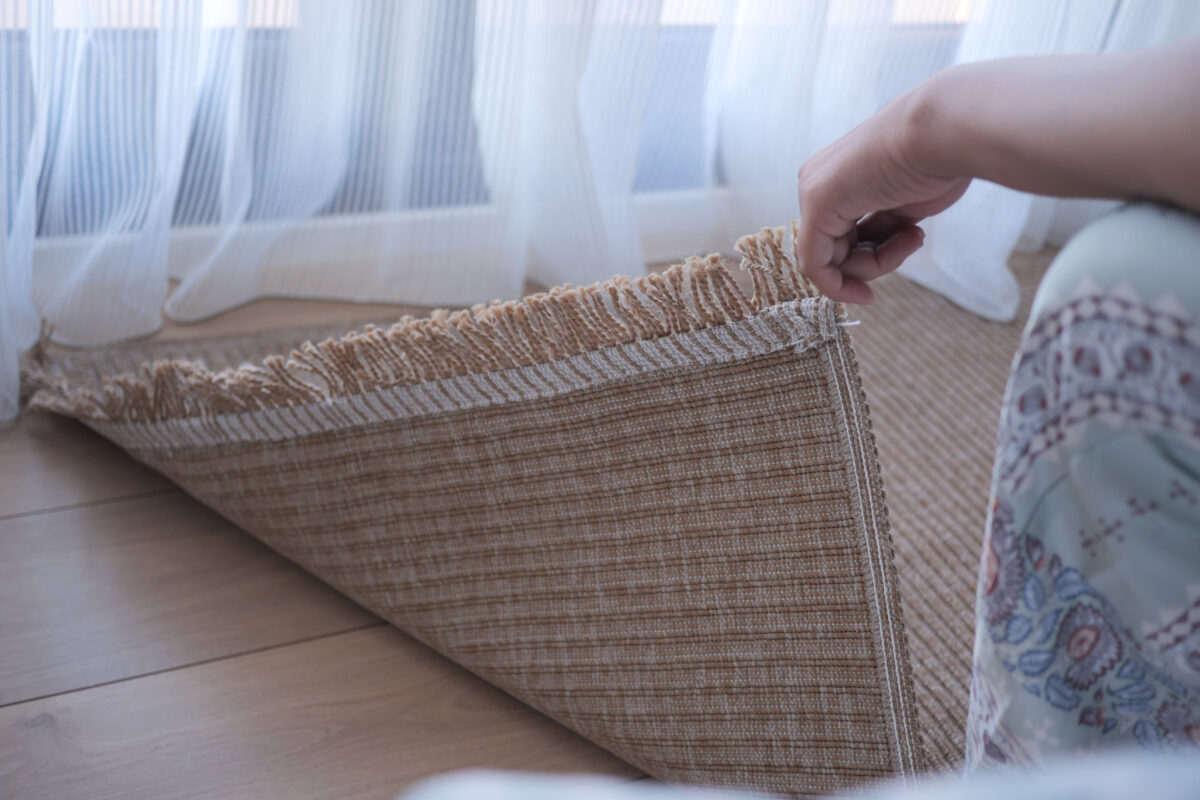
Step 2: Inspect the Backing
Turn the rug over and inspect the backing. Typically, hand-knotted or mirrored patterns suggest wool or silk, while latex or felt backing means a synthetic rug.
Tips for Identifying Your Rug Material Based on Its Backing:
- If the pattern on the back of the rug clearly mirrors the front, and the knots are visible, this typically means it is a hand-knotted wool, Persian or Oriental rug.
- If the rug has a uniform woven, latex, felt or jute-like backing fused to it, the material is likely a machine-made synthetic.
- If the backing is rubber or foam, your rug is most likely synthetic (e.g., nylon, polyester, polypropylene).
Still not sure what the material is? Move on to Step 3.
Step 3: Examine the Fringe
If you’re unable to determine what type of material your rug is made of from the label or backing, try examining its fringe.
- On hand-woven wool or silk rugs, the fringe is often built-in (i.e., part of the rug’s foundation).
- On machine-made synthetic rugs (made from synthetic or mixed fibres), the fringe is usually sewn or glued on.
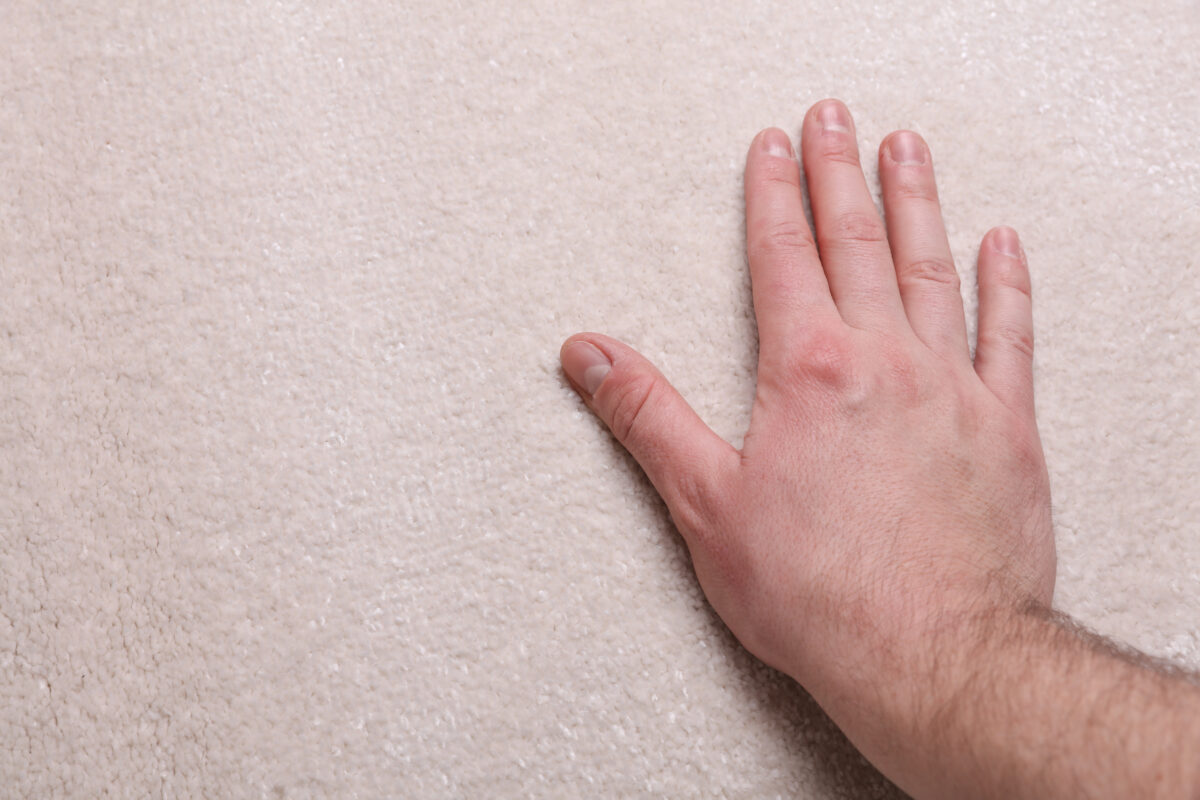
Step 4: Use Appearance & Touch
Next, use appearance and touch to narrow down the exact fibre type. Here’s a breakdown of how each type of material will look and feel.
Wool Rugs
Feel: Soft, plush, springy, slightly “cushiony,” dense and warm to the touch.
Look: Typically matte or soft sheen with a dense pile (i.e., face of the rug) that bounces back when pressed.
Synthetic Fibre Rugs (Nylon, Polypropylene, Polyester)
Feel: Often smooth or “silky,” can feel slightly plastic-like; usually cooler to the touch than materials like wool. For instance, rugs made from polypropylene can look similar to wool rugs but will feel lighter and less dense.
Look: Uniform colour and texture, sometimes with a slight shine.
Cotton Rugs
Feel: Smooth, soft, and lightweight.
Look: Matte, casual look, edges may curl slightly; common in flatweave or lightweight rugs.
Rugs Made from Natural Plant Fibres (Jute, Sisal, Seagrass)
Jute: Coarse, scratchy, rough rope-like texture with a warm and earthy look.
Sisal: Firm and coarse, but with a smoother and tighter weave than jute rugs.
Seagrass: Waxy, smooth and firm texture with a subtle sheen; often in green-beige tones.
Silk Rugs
Feel: Very soft and fine (almost slippery).
Look: Shiny, liquid-like sheen that shifts with the light (i.e., the pile “shades” when you brush your hand across it).
Material Blends (E.g., Wool + Synthetic, Wool + Silk)
Rugs that are made from a blend of materials will exhibit a combination of characteristics. For example, if a rug looks like wool but has an extra shimmery, “liquid” shine, it may be a wool/silk or wool/viscose blend.
If you’re still unsure what your area rug is made of after a close inspection, move on to step 5.
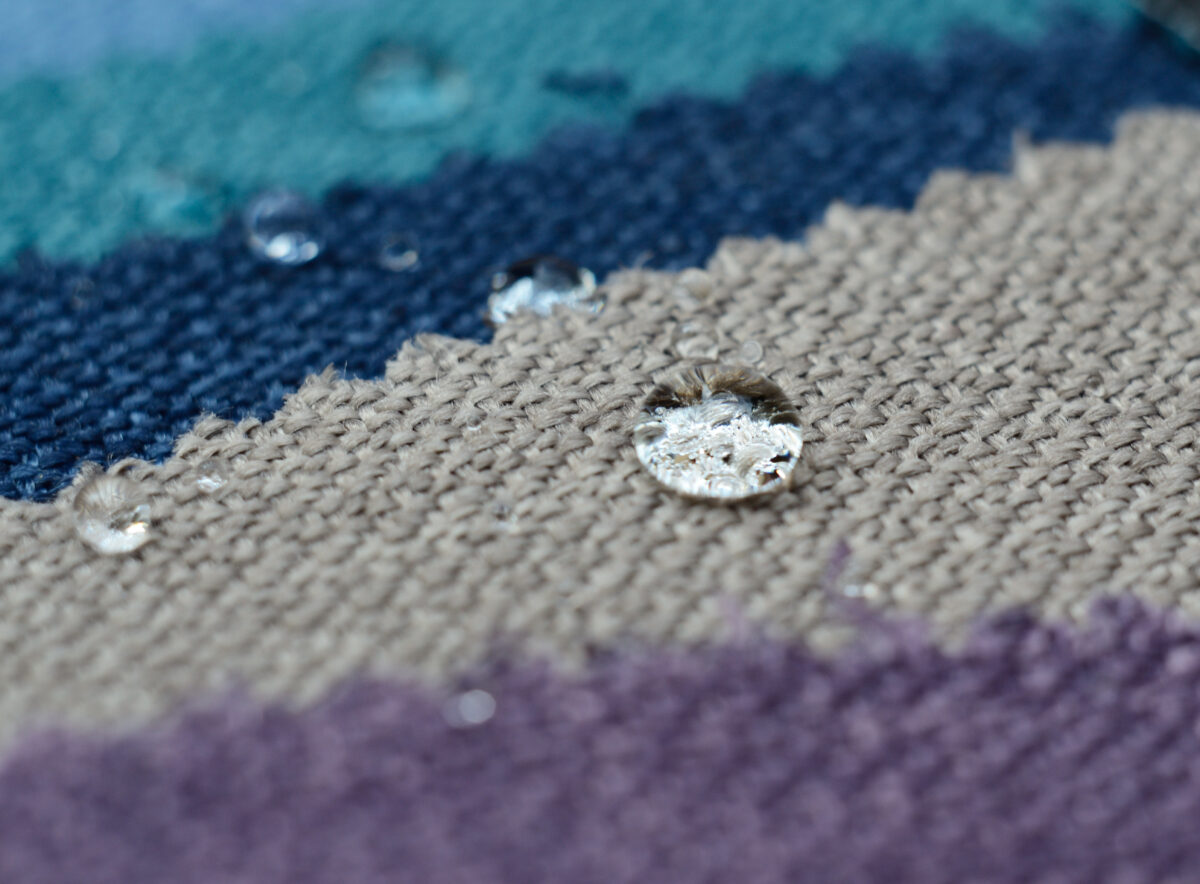
Step 5: Rug Material Identification Tests
The following tests can help you identify your rug material before you do any DIY area rug cleaning, but they must be done carefully. When in doubt (especially with expensive rugs), always contact a professional rug cleaner for advice and guidance.
The Water Absorption Test
The water absorption test helps distinguish fibre types by showing how they react to moisture.
How to Do the Water Absorption Test: Place a few drops of clean water on a hidden corner of your area rug.
How to Interpret the Results: If the area rug quickly absorbs water, it’s likely made from natural fibres such as wool, cotton, or plant fibres (e.g., jute, sisal, seagrass). Some natural materials may also darken slightly as they take in moisture. On the other hand, if the rug repels water briefly before slowly absorbing it, it’s likely made from a synthetic material, such as nylon, polypropylene, or polyester. Materials like polypropylene are especially moisture-resistant.
The Burn Test
The burn test uses an open flame to help determine the type of material your rug is made from. It is worth mentioning because it is one of the most accurate methods for identifying rug fibres. However, we do not recommend that homeowners in Durham (especially those with valuable wool, silk, or Persian rugs) do this test themselves. It is an advanced testing technique that is is best completed by trained, IICRC-certified rug cleaning technicians using controlled methods.
Avoid accidental damage. Let Prestige’s certified area rug cleaning technicians identify your rug material and recommend the safest cleaning method. Call Now.
Quick Rug Material Identification Table
Use this table to quickly compare the key features (backing, fringe, feel, appearance, and water absorption) of the most common area rug materials. If your rug matches several characteristics across a row, there’s a good chance you’ve found its fibre type.
| Area Rug Material | Common Backing | Typical Fringe | Typical Feel & Texture | Visual Clues | Water Absorption | Clean Instructions |
| Wool | Pattern often visible on the backs of hand-knotted rugs; woven or canvas backing on tufted wool. | Usually built into the rug foundation on hand-knotted pieces. | Dense, soft, warm, springy. | Matte or soft sheen; pile springs back when pressed. | Absorbs water steadily. | Safe wool rug cleaning instructions. |
| Nylon | Latex or synthetic woven backing. | Usually sewn-on fringe, if present. | Smooth, soft, and resilient (typically bounces back after being compressed). | Low–medium sheen; uniform colour and texture. | Gradual water absorption. | How to clean nylon area rugs. |
| Polypropylene (Olefin) | Woven synthetic or latex/rubber backing; sometimes jute/felt. | Sewn-on fringe. | Light, slightly waxy or plastic-like; sometimes resembles wool (but feels lighter and less dense). | Flat appearance; mild sheen; uniform colour and texture. | Repels water briefly. | Cleaning instructions for polypropylene rugs. |
| Polyester | Latex, polypropylene, felt-like synthetic backing or silicone/rubber dots for grip. | Sewn-on fringe. | Soft, plush, smooth, silky. | Silky sheen; often has vibrant colours. | Slow water absorption; initially repels water. | How to clean a rug made from polyester. |
| Cotton | Woven backing, often made from natural fibres like jute or cotton, if handmade; synthetic material like latex, polyester, polypropylene, or rubber dots for grip, if commercially produced. | Often attached but may be part of the weave. | Soft, flexible, lightweight. | Matte finish; often flat-woven or thinner rugs. | Quick water absorption. | How to clean cotton rugs. |
| Jute | Natural, braided, or woven backing; rough texture on the underside. | Typically, no fringe (or simple natural-fibre fringe). | Coarse, scratchy, rough rope-like texture. | Chunky weave; warm tan or brown (earthy) tones. | Instant water absorption. | Instructions for jute area rug cleaning. |
| Sisal | Firm, tightly woven natural backing. | Usually, no fringe. | Stiff, textured, slightly coarse. | Tight, smooth weave; natural beige tones. | Instant water absorption. | Guide to cleaning sisal area rugs. |
| Seagrass | Woven backing; strands feel slightly waxy. | Little to no fringe. | Firm, smooth, cool, slightly waxy. | Subtle sheen; green-beige strands that may darken with age. | Very slow absorption; initially repels water. | How to clean seagrass rugs. |
| Silk | Fine, hand-knotted foundation; pattern clearly visible on back. | Fringe is part of the rug’s warp threads. | Very soft, delicate, almost slippery. | Shiny, “liquid-like” sheen; shades when brushed. | Quick absorption. | Instructions for silk rug cleaning. |
Not sure what your rug is made of? The area rug experts at Prestige Carpet Cleaning can identify it for you. Call now.
Now that you’ve identified what type of rug you have, let’s get into the cleaning methods for each material.
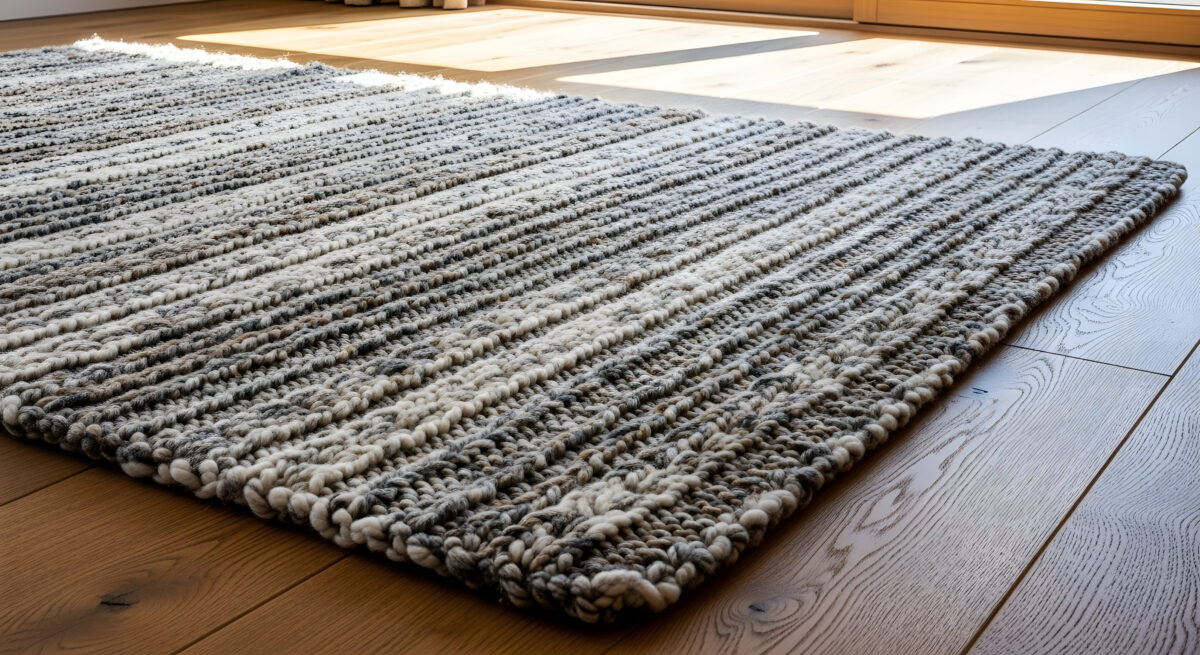
How to Clean Wool Area Rugs
Quick Answer: To clean a wool area rug, vacuum gently using suction only (no beater bar), blot spills immediately, and spot-clean with cool water or a wool-safe detergent. Always test cleaners in a hidden area first. After spot cleaning, rinse lightly with cool water and let the rug air dry completely, away from heat or sunlight. Avoid steam cleaners, hot water, bleach, and high-pH products, as wool is sensitive and can shrink or be damaged. For heavy soiling, pet stains, valuable or sentimental rugs, professional wool area rug cleaning is recommended.
Many consider wool the gold standard for area rugs because it’s naturally durable, soft, and stain-resistant. It’s also flame-resistant and holds colour well, which is why it’s used in many high-quality rugs, including Persian, Oriental, Indian, and Turkish styles. However, wool is sensitive to heat, high-pH cleaners, and moisture, so it requires careful cleaning. Using the wrong products, too much water, or too much heat can lead to shrinkage, discoloration, or fibre damage.
Use these quick, safe cleaning methods for light rug maintenance only. A professional area rug cleaner like Prestige should do any heavy-duty wool rug cleaning.
**Important Safety Warning:Do not use steam cleaners, hot water, bleach, or high-pH products on wool. These can permanently shrink, discolour or damage the fibres. For large, expensive, sentimental and/or antique wool rugs, professional rug cleaning is always the safest option.**
How to Vacuum Wool Area Rugs
You can vacuum your wool area rug at home, but do so gently to avoid damaging the fibres. Follow these guidelines to safely and effectively vacuum your wool rug.
- Use suction only (no beater bar/brush roll).
- Vacuum the top and back of the rug to remove dust, dirt, dust mites, allergens, and fine particles.
- Avoid aggressive passes or friction that can fuzz or pull the wool fibres.
How to Remove Stains & Spills from Wool Rugs
Follow these steps to safely spot-clean your wool rug:
- Blot the spill immediately. We recommend using a clean white cloth. Never rub the spot, as it will push the stain deeper into the wool.
- Spot-clean with cool water or a wool-safe detergent. Mix a small amount of wool-safe cleaner with cool water (never hot) and test in a hidden area first. Then, apply the mixture and gently dab the stain from the outside in (to prevent spreading).
- Rinse lightly. After using your cleaning mixture, blot the spot with plain cool water to remove any residue. Avoid soaking the spot, as wool holds moisture deep in the pile.
- Air dry completely. Finally, lay the area rug flat in a ventilated area away from heat or sunlight. Make sure it’s completely dry before putting it back in place.
For more detailed instructions on treating specific stains like wine, coffee, or pet accidents, see our Carpet and Rug Stain Removal Guide.
When to Call a Professional for Wool Area Rug Cleaning
While DIY area rug cleaning is effective in many cases, sometimes it’s best to hire a professional. Trained area rug cleaners, like the technicians at Prestige Carpet Cleaning, control moisture, pH, and drying to prevent shrinkage, bleeding, mildew, and fibre damage – risks that DIY methods can’t always avoid.
We recommend professional wool rug cleaning if:
- The rug is large, heavy, hand-knotted, Persian, Oriental, expensive or sentimental
- There are pet stains, odours, or set-in spills
- The rug looks dull, matted, or is heavily soiled
- You’re not sure what the rug is made of
How Often Should You Clean Your Wool Rug at Home?
- Vacuum weekly in main areas (monthly in low-traffic areas and 2 to 3 times per week in high-traffic areas).
- Blot and spot-clean spills immediately.
- Deep clean wool rugs every 6 months.
Want to keep your wool rug safe? Prestige’s certified technicians use wool-specific cleaning methods that protect colour, texture, and value. Get a Free Quote Today.
How to Clean Synthetic Area Rugs (Nylon, Polypropylene, Polyester)
Quick Answer: To clean nylon, polypropylene, and polyester area rugs, vacuum regularly (beater bars are generally safe, but for shag or long-pile polyester rugs, use suction only), blot spills immediately, and spot-clean using a mild carpet cleaner mixed with warm water. After spot cleaning, be sure to rinse well to remove residue and let the rug dry completely (lay it flat or hang it). For deep cleaning, you can safely use hot water extraction, steam cleaning, or light brushing to loosen dirt. Always test cleaning solutions in a hidden spot first and, when in doubt, call a professional rug cleaner.
Synthetic area rugs, especially nylon, polypropylene (olefin), and polyester, are some of the most affordable and durable options for busy homes. They are generally easier (and safer) to clean at home than natural fibre rugs, and they tolerate moisture, most household carpet cleaners, and deeper cleaning methods.
Nylon is the most resilient, stain-resistant, and durable, but it can flatten over time. Polypropylene is also extremely stain-resistant and water-resistant, but it is prone to fading in sunlight. Polyester, on the other hand, while stain-resistant, is only moderately durable and can crush or mat in high-traffic areas.
The steps below are safe for routine cleaning and fresh spills on most synthetic area rugs.
If your rug is valuable, sentimental, antique, or just really big, it’s best to let a professional handle the cleaning.
Important to Note: Viscose (also called rayon) is often confused with polyester, but it is not a synthetic fibre. Viscose rugs require special care and should not be cleaned with typical synthetic area rug cleaning methods.
How to Vacuum a Synthetic Area Rug
You can (and should) vacuum synthetic rugs, including nylon, polypropylene and polyester rugs, regularly to remove dust, dirt, dust mites, and allergens. Here’s how to do it safely.
- Beater bars/brush rolls are safe for most synthetic rugs (unlike wool).
- Vacuum both sides, when possible, to lift embedded particles.
- For shag or long-pile polyester rugs, use suction only to avoid tangling.
How to Spot Clean Synthetic Nylon, Polypropylene & Polyester Rugs
To safely spot-clean your nylon, polypropylene or polyester synthetic rug, follow these steps:
- Blot the spill immediately. Use a clean white cloth for this step. Blot only – do not rub, as this can spread the stain or spill!
- Clean with a mild carpet cleaner. Synthetic fibres tolerate most standard carpet spot cleaners. Mix a small amount of cleaner with warm (not hot) water and test the mixture in a hidden corner first. Then apply and gently blot the stain from the outside in (to avoid spreading it).
- Rinse thoroughly. Synthetic fibres can trap residue if not rinsed well. In addition, proper rinsing can help prevent re-soiling. To rinse your nylon, polypropylene, or polyester area rug, simply blot the spot with a damp cloth (use clean water).
- Dry completely. Finally, you’ll want to make sure your rug dries completely. Synthetic rugs typically dry faster than wool, but you’ll still want to avoid direct heat, folding the rug while it’s damp or putting furniture on it too soon. To dry your rug, lay it flat or hang it in a place with good air circulation.
What are the best carpet stain removal methods? Check out our Carpet Stain Removal Guide for DIY-friendly methods and proven cleaning solutions.
How to Deep Clean Synthetic Area Rugs
Nylon, polypropylene and polyester area rugs can be safely deep-cleaned at home using the following methods:
- Hot water extraction (using home carpet cleaners or professional equipment)
- Steam cleaning
- Light brushing with a soft brush or cloth to loosen dirt
Please Note:Always test cleaning products and methods on a hidden area first. If your rug is large, valuable, or sentimental, it’s a good idea to give us a call before trying any DIY cleaning – just to ensure it’s safe.
When to Call a Professional to Clean Your Synthetic Rug
DIY area rug cleaning methods are usually effective for synthetic rugs. However, professional cleaning is recommended when:
- The rug is large (8×10 or bigger)
- There are pet stains, odours, or wear from heavy traffic
- The rug has deep-set stains that don’t lift with home products
- You want to restore texture, brightness, and pile
Why call a pro? Professional area rug cleaners can remove deep-seated dirt and allergens that typical DIY methods can’t. An area rug cleaning company can also often revive flattened or matted fibres (especially on nylon and polyester rugs), using special grooming techniques and tools.
How Often Should You Clean a Nylon, Polypropylene or Polyester Rug?
- Vacuum weekly (more often in higher traffic areas)
- Spot-clean spills immediately
- Deep-clean every 12 to 24 months or as needed, depending on soil level, traffic, pets, kids, or allergies
Want your synthetic rug looking fresh again? Prestige uses high-powered extraction methods that safely remove deep-set dirt, odours, dust mites and allergens. Book Your Cleaning Today.
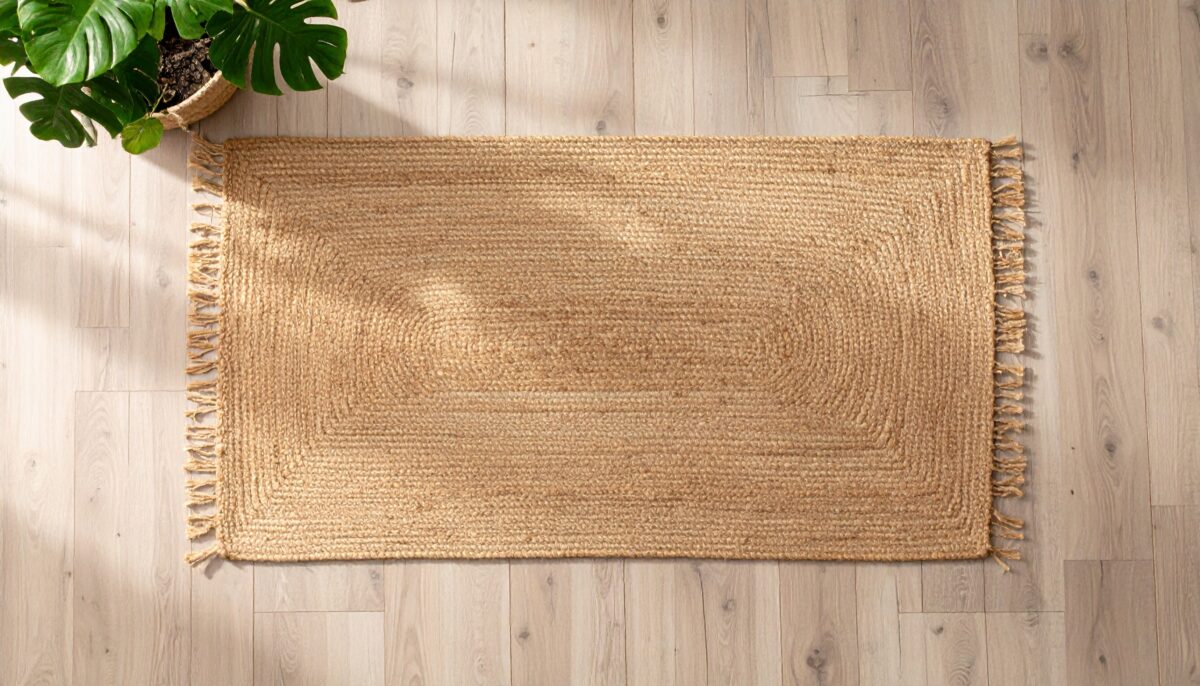
How to Clean Natural Fibre Area Rugs (Cotton, Jute, Sisal, Seagrass)
Quick Answer: To clean natural fibre rugs like cotton, jute, sisal, and seagrass, vacuum weekly using suction only and blot spills immediately. Cotton rugs can be spot-cleaned with mild detergent and gently handwashed or machine-washed if the care label allows. Jute, sisal, and seagrass should only be cleaned with dry or low-moisture methods, as these natural fibres are not water-safe and can stain, warp, or develop mould when wet. For deep cleaning, plant-fibre rugs must be handled by a professional using dry-cleaning techniques.
Natural fibre rugs, such as cotton, jute, sisal, and seagrass, are popular for their eco-friendly, sustainable appeal and beautiful texture. However, they require more careful cleaning than area rugs made from synthetic fibres.
Cotton rugs are the most DIY-friendly and generally easy to maintain, but they’re highly absorbent and can shrink if not cleaned properly. Jute, sisal, and seagrass rugs are also highly absorbent, stain easily, and cannot handle wet cleaning. These plant-based fibres can be permanently damaged by moisture, so low-moisture or dry-cleaning methods are necessary.
Follow the steps below for safe natural fibre rug care.
**Important Natural Fibre Warning:Jute, sisal, and seagrass rugs are not water-safe. Excess moisture can cause staining, shrinking, warping, mould, or weakening of the fibres. These rugs require specialized dry cleaning only. If your rug is expensive, oversized, sentimental, or you’re unsure how to clean it, professional rug cleaning in Durham is the safest option.**
How to Vacuum Cotton, Jute, Sisal, and Seagrass Natural Fibre Rugs
Vacuuming is the safest and most important maintenance step for natural fibre rugs. Here’s how to safely and effectively vacuum your cotton, jute, sisal, or seagrass area rug.
- Use suction only (turn off the beater bar/brush roll).
- Vacuum both sides regularly to remove dust and dirt trapped in the weave.
- For jute and sisal, vacuum in the direction of the fibres to prevent fraying.
- Use a dry brush to lift dirt from jute, sisal and seagrass rugs (brush gently in the direction of the fibres, then vacuum thoroughly with suction only).
How to Remove Stains and Spills from Cotton Rugs
Cotton area rugs are the easiest natural fibre rugs to clean. Here’s how to safely clean your cotton rug at home:
- Immediately blot/dab the spill using a clean white cloth.
- Mix a small amount of mild detergent with cool water. Test the mixture in a hidden area first. Then apply the mixture and gently dab the stain from the outside in (to avoid spreading it).
- Rinse lightly with cool water.
- Lay the area rug flat to air dry completely to prevent mildew.
Some small cotton area rugs are also machine washable (cold water, air dry). But always check the care label first.
How to Spot Clean Jute, Sisal & Seagrass Rugs
These natural fibres absorb water quickly. Therefore, it’s important that you use dry or low-moisture cleaning methods only. Here’s how to clean your jute, sisal or seagrass rug safely and effectively.
- Blot the spot (do not rub). Use a clean, dry cloth (we recommend using a white cloth) to absorb as much of the spill as possible.
- Use a dry cleaning powder. Apply a dry carpet cleaning powder or baking soda to the area. Let it sit for 10 to 15 minutes, then vacuum thoroughly.
- For sticky spills, lightly mist a cloth with very diluted mild detergent (mix mild detergent with lukewarm water)*. Do not soak the rug. Gently blot, then immediately dry the area with a fan (on low heat).
*Always test cleaning solutions in a hidden area first!
Water can leave dark stains and marks on plant-fibre rugs. Therefore, it’s essential that you always use minimal moisture and dry the rug quickly. If in doubt, call a professional before attempting to clean your area rug at home.
How to Deep Clean Natural Fibre Area Rugs
Cotton: Cotton rugs can be deep-cleaned at home with gentle handwashing (or machine washing if the care label allows).
Jute, Sisal, and Seagrass: These natural fibre rugs are extremely sensitive to moisture and should not be wet-cleaned at home. They should be deep-cleaned by a professional rug cleaner using dry-cleaning methods only.
When to Call a Professional Rug Cleaner
Professional area rug cleaning for natural fibre rugs is recommended when:
- The rug is large, heavy, or woven from plant fibres (e.g., jute, sisal, seagrass)
- You notice water marks, pet stains, or persistent odours
- There is mould, mildew, or ongoing dampness
- The rug is expensive, handmade, custom, or sentimental
- You’re unsure how much moisture is safe for the material
Professional rug cleaners use low-moisture or dry-cleaning techniques designed to protect delicate natural fibres from swelling, staining, discolouration, warping, mould, and fibre breakdown. It’s always safest to have a professional rug cleaner clean your natural fibre rug.
How Often Should You Clean Cotton, Jute, Sisal & Seagrass Rugs?
- Vacuum weekly (more often in high-traffic areas) using suction only.
- Spot-clean spills immediately. Use low- or no-moisture methods for jute, sisal and seagrass rugs.
- Deep-clean cotton rugs at home as needed, following the care label. Never use wet deep-cleaning methods on jute, sisal, and seagrass. These plant-fibre rugs must be deep cleaned by a professional using dry-cleaning methods.
Don’t risk damaging your natural fibre rugs. Prestige’s certified area rug cleaning technicians use low-moisture and dry-cleaning methods that protect jute, sisal, seagrass, and cotton. Get Your Free Quote Today.
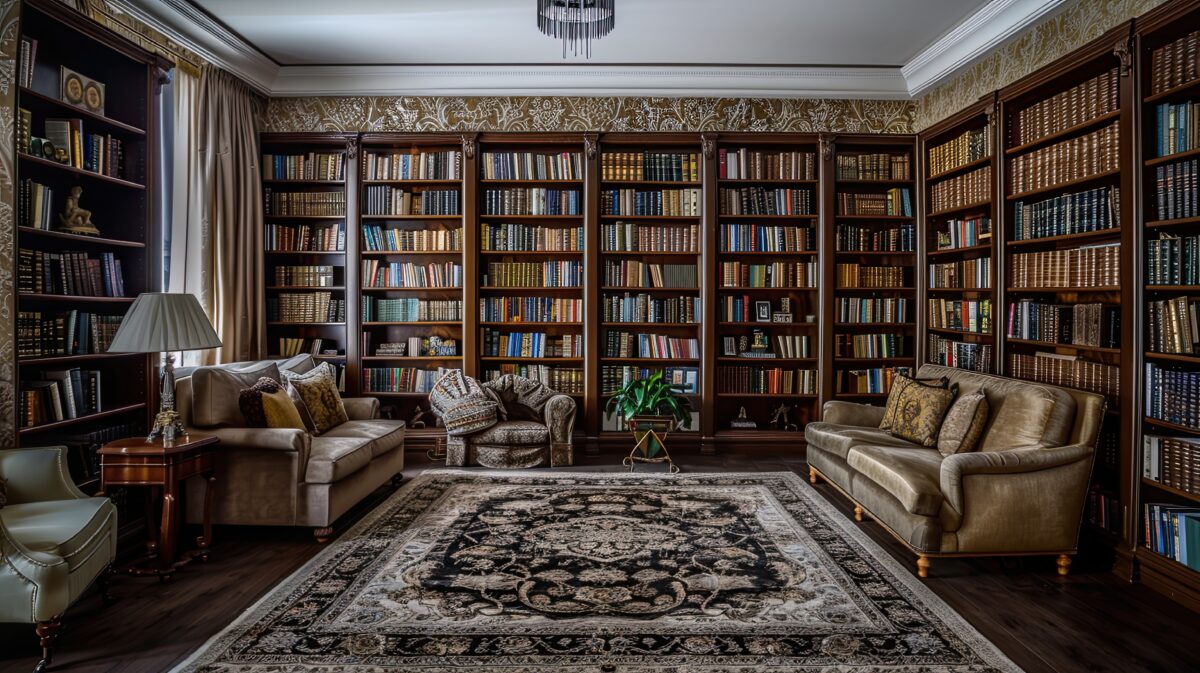
How to Clean Delicate & Specialty Rugs (Silk, Oriental, Persian, Antique)
Quick Answer: To clean delicate rugs like silk, Oriental, Persian and antique rugs, vacuum gently using suction only, blot spills immediately, and avoid any harsh chemicals, scrubbing, or wet-cleaning. Delicate and specialty area rugs should not be deep-cleaned at home. These pieces require professional area rug cleaning to prevent dye bleeding, fibre damage, and shrinkage.
Delicate rugs, such as silk, Oriental, Persian, antique, and hand-knotted heirloom rugs, require extremely gentle care and should rarely be cleaned at home. These rugs are made from fragile fibres and natural dyes that can bleed, fade, warp, or weaken if cleaned improperly. Because of their high monetary and sentimental value, they should never be deep-cleaned using DIY area rug cleaning methods.
Follow the steps below to safely maintain delicate and specialty rugs.
Important:If your rug is truly antique, hand-knotted, or worth more than $1,000, do not attempt DIY cleaning. Contact Prestige carpet Cleaning for a professional assessment and quote.
How to Vacuum Delicate & Specialty Rugs
Some delicate and specialty rugs, including silk, Oriental, Persian and antique rugs, can be vacuumed. However, it must be done with extreme care to avoid pulling threads or damaging the delicate pile.
Follow these safe vacuuming guidelines:
- Use gentle suction only (turn off the beater bar/brush roll).
- Vacuum lightly and avoid excessive or aggressive passes.
- Occasionally, vacuum the underside to remove dust without stressing the fibres.
- Never vacuum the fringe directly.
- Vacuum in the direction of the pile to prevent damage to the delicate fibres.
- For very delicate or antique rugs, a light shake is often safer than vacuuming.
How to Spot Clean Silk, Oriental, Persian & Antique Rugs
Silk, Oriental, Persian, and antique rugs are extremely delicate and can be damaged easily, so spot cleaning should be kept to a minimum. The best option is always to hire a professional rug cleaner, especially for tough stains and valuable or sentimental rugs.
Only spot clean when absolutely necessary, and follow the steps below.
- Blot the spill immediately. Use a clean white cloth to absorb as much moisture as possible. Never rub the spot, as this can push the spill deeper or damage the fibres.
- If moisture is needed, use cool water only (never hot or warm). A very mild solution of cool water and white vinegar (1:1) may be used, but only with extreme caution and only if you are certain the dyes are stable. Apply any liquid very sparingly (to avoid water marks or fibre damage) and dab gently from the outside in. Never scrub, agitate, or apply pressure. Important: Always test water and cleaning solutions in a small, inconspicuous area first.
- Blot to remove residue. If you use any moisture, blot with a barely damp cloth. Never soak the rug.
- Dry the spot completely. Air-drying is best, but a fan or hairdryer (on cool) can also be used. Avoid heat and direct sunlight, which can fade colours or damage fibres.
Important Warnings for Cleaning Delicate Rugs:
- Do not use steam cleaners or hot water, as these can cause dye bleeding, shrinkage, or irreversible fibre damage.
- Avoid using store-bought cleaners, harsh chemicals, enzyme cleaners, baking soda, and oxygen-based cleaners. Even diluted vinegar can be risky on delicate fibres and should never be used without testing in a hidden spot first.
- Avoid excess moisture, which can cause water stains, dye bleeding, and fibre damage.
How to Deep Clean Silk, Oriental, Persian & Antique Rugs
Delicate and specialty area rugs, including silk, antiques, and hand-knotted Persian or Oriental rugs, should never be deep-cleaned at home. Only professional rug cleaners with specialized training and equipment should handle these pieces.
Attempting to wash these rugs at home using DIY antique, silk, Oriental or Persian rug cleaning methods can cause irreversible damage, including dye bleeding or colour loss, fibre weakening or breakage, warping, rippling, shrinkage, permanent staining or structural damage, especially on hand-knotted or naturally dyed rugs.
Professional rug cleaners, on the other hand, have special training and tools that they use to safely and effectively deep clean area rugs. They properly preserve delicate rugs by:
- Conducting a dye-fastness and fibre analysis before cleaning.
- Using low-moisture, pH-balanced cleaning solutions suited to delicate fibres.
- Applying controlled moisture and extraction to avoid over-wetting.
- Gently hand-cleaning and treating fringe and edges with care.
- Drying rugs in climate-controlled environments to prevent warping, dye migration, or fibre distortion.
Beyond cleaning, hiring a professional protects your rug’s value. Specialty rugs such as silk, antique, Oriental or Persian pieces can be worth thousands (or tens of thousands) of dollars – and a DIY mistake could destroy that investment.
How Often Should You Clean Your Silk, Oriental & Antique Rugs at Home?
Because these rugs are extremely delicate, at-home cleaning should be minimal.
- Vacuum lightly once per week using suction only (no beater bar).
- Spot clean only when absolutely necessary, using cool water sparingly and extreme care.
- Blot spills immediately to prevent staining or dye migration.
- Avoid all deep cleaning at home. Silk, Oriental, Persian, and antique rugs should only be deep-cleaned by a professional.
Trust your valuable rugs to Durham’s most experienced professionals. Prestige has 35+ years of expertise in specialty rug care. Schedule Your Cleaning Today.

Should You Clean Your Rug Yourself or Hire a Professional?
Not sure whether to clean your rug yourself or call a professional? The safest choice depends on your rug’s size, material, condition, and value. Use the table below to decide when DIY cleaning is appropriate and when professional cleaning is the only risk-free option.
| When DIY Area Rug Cleaning Is Typically Safe | When Professional Cleaning Is Recommended |
| The area rug is small (under 5×7) and lightweight. | The rug is large (over 8×10). |
| It is made from a synthetic material like nylon, polypropylene, or polyester. You can also clean small cotton rugs at home if the care label allows handwashing or machine washing. | It is wool, silk, Oriental, Persian, antique, hand-knotted, or made from plant fibres like jute, sisal, or seagrass. Professional cleaning is also recommended if you’re unsure of the fibre/material. Important: Professional cleaning is the only safe option for rugs with natural dyes, delicate fringe, or handmade construction. |
| Soiling is light, and the spill is fresh and water-soluble. | There is heavy soiling, pet urine, lingering odours, set-in stains or a previous DIY attempt failed. |
| The rug’s value is under $200. | The area rug’s value is over $500, or it has sentimental/heritage value. |
When in doubt, get a free assessment. Prestige will evaluate your rug and provide an honest recommendation, even if that means it’s safe to DIY. Request a Free Assessment Today.
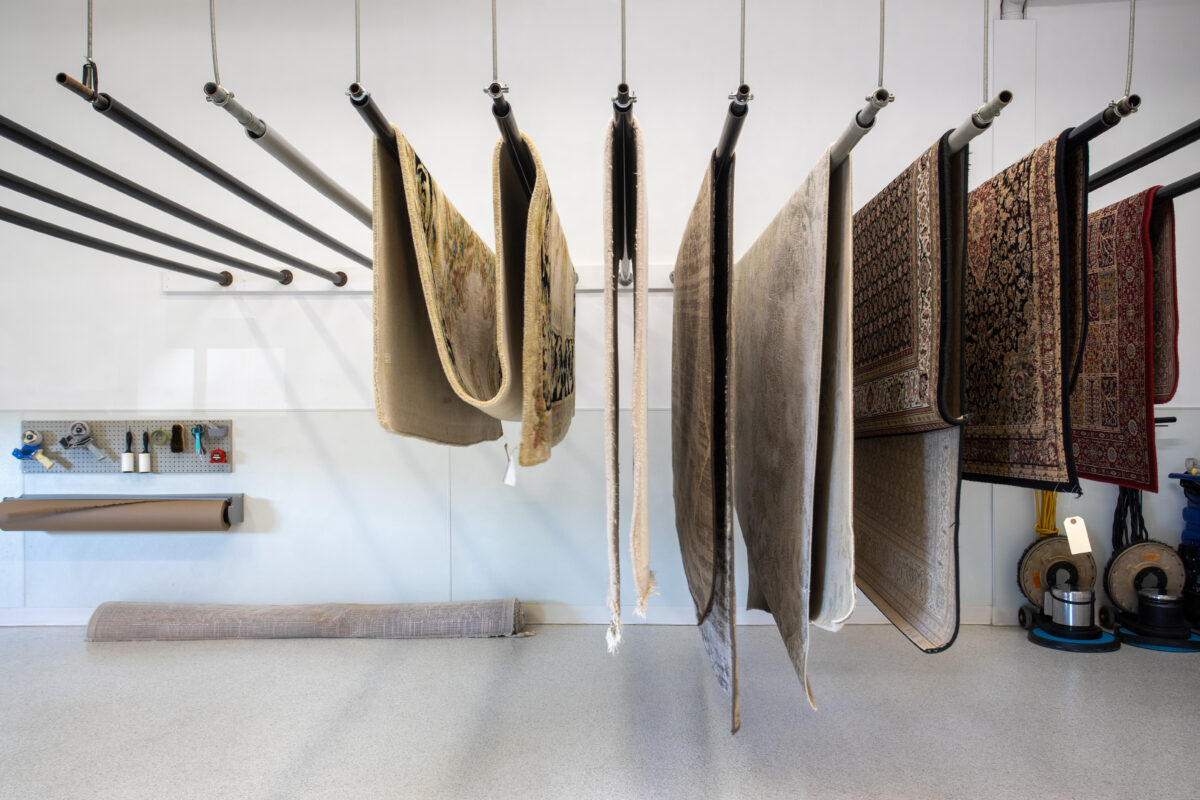
How Often Should You Get Your Area Rug Professionally Cleaned?
Not sure when to professionally clean area rugs? How often you should have your area rug professionally cleaned depends on the level of traffic and household conditions. However, most rugs, including wool, synthetic, cotton, and natural-fibre rugs, benefit from professional cleaning every 12 to 24 months. If your rug gets heavy use, or you have kids, pets, or allergies in your home, more frequent cleaning may be necessary.
You may need professional cleaning sooner if you notice any of the signs below.
- Visible dirt, dull colour, or a flat, matted pile
- Pet odours, urine spots, or recurring smells
- Allergies are acting up near the rug
- Stains that keep returning after DIY cleaning
- A dusty “cloud” when you tap the back of the rug
- Your vacuum fills quickly after cleaning the rug
To determine the best cleaning schedule for your rug and household, contact Prestige Carpet Cleaning today!
What’s the Best Way to Maintain Rugs Between Professional Cleanings?
Keeping your rugs looking fresh and lasting longer doesn’t always require a full deep clean. A simple routine of regular maintenance can go a long way. According to Health Canada, carpet and rugs commonly have dust mites. Therefore, proper rug maintenance is also essential for maintaining a healthier home, especially for Durham families with allergies.
Here’s a practical “between-professional-cleanings” maintenance plan that works for most rugs.
| Rug Maintenance Task | How Often Should It Be Done? | Why It’s Helpful |
| Vacuuming | Weekly for low-traffic rooms; 2 to 3 times per week for high-traffic areas | Regular vacuuming removes dirt, dust, pet dander, dust mites, and allergens before they settle deep in the fibres. |
| Vacuum underside | Occasionally | Dust and direct collect beneath rugs; cleaning the underside prevents buildup that can damage the backing and floors. |
| Rotate or reposition the rug | Every 3 to 6 months | Distributes wear evenly and prevents permanent shading or pile crushing. |
| Spot clean | As needed (immediately after a spill) | Prevents stains from setting and keeps moisture from penetrating deep into the fibres. |
| Shake out or air out (if appropriate for the rug material) | Occasionally | Helps dislodge dust, pollen and debris trapped in fibres (especially for flat-weave or washable rugs). |
Looking for more tips? Check out these additional Rug Maintenance Tips from the area rug cleaning experts at Prestige.
Seasonal Rug Care Tips
Durham’s seasonal changes can have a big impact on how your area rugs wear over time. Temperature shifts, humidity, road salt, and increased allergens all affect rug fibres, especially wool, natural fibres, and delicate rugs.
Here are some quick tips for how to protect your rugs year-round:
Rug Care Tips for Spring
Spring is a great time for a professional deep clean due to increased allergens, pollen, and dust mites.
In addition to getting your rugs professionally cleaned, be sure to:
- Vacuum more frequently (2 to 3 times per week for high-traffic homes).
- Shake out smaller rugs outdoors to remove pollen.
Tips for Summer
Ontario summers can bring high humidity, which can increase the risk of slow drying, mildew, and fibre distortion if rugs stay damp too long. Sun exposure can also fade dyes, especially in wool, Oriental, Persian, or natural-dyed rugs.
Here’s what you can do to help avoid these issues:
- Ensure rugs dry within 24 hours after any spot cleaning.
- Use fans or dehumidifiers to speed drying during humid weeks.
- Rotate rugs every few months to prevent sun fading near windows.
Fall Rug Maintenance Tips
Back-to-school season means more tracked-in dirt, wet leaves, and moisture, all of which can cause fibre abrasion and rug pad deterioration.
Here’s how you can protect your rugs during the fall:
- Vacuum more frequently as outdoor debris increases.
- Inspect rug pads for moisture or early breakdown.
- Spot-clean spills immediately to prevent staining.
Winter Tips
Road salt is a common cause of rug damage in Canadian homes. Road salt and ice-melt residues tracked indoors can cause stains, discoloration, fibre breakdown, and long-term rug damage if not cleaned promptly.
To protect your rugs from salt, snow, slush, and other winter wear, follow these seasonal rug care tips:
- Place mats at all entryways to limit salt transfer.
- Blot salt spots immediately with cool water (never hot).
- Avoid over-wetting; salt attracts moisture and can spread stains.
- Allow rugs to dry fully to prevent mildew.
These seasonal rug maintenance tips will help you prevent long-term fibre damage and keep your rugs looking their best!
Seasonal Rug Storage Tips
If you swap out your area rugs seasonally or store them during renovations, proper storage is essential to prevent mould, fibre damage, pests, and creasing. Rugs, especially wool, natural-fibre, Persian, Oriental, and antique pieces, can deteriorate quickly if stored incorrectly.
Follow these steps to safely store your rug:
- Clean the Rug Before Storing It. Always vacuum and, ideally, have the rug professionally cleaned before storage. Storing a rug with dust, moisture, or soil can lead to permanent staining, odours, or moths over time.
- Make Sure It’s Fully Dry. Even small amounts of moisture can cause mould or mildew in storage. Allow the rug to air-dry completely before storing it.
- Roll, Don’t Fold. Roll your rug with the pile facing inward. Folding can create creases that become difficult (or impossible) to remove.
- Use a Breathable Rug Wrap. Avoid plastic, which traps moisture. Instead, use a material-suitable rug wrap to allow airflow while keeping dust and pests out.
- Store in a Cool, Dry Space. Choose a temperature-controlled area away from basements, attics, exterior walls, or rooms with humidity fluctuations.
- Elevate Off the Floor. Place the rolled rug on a shelf or pallet to protect it from moisture and pests.
- Unroll & Air Out Every Few Months. If you’re storing your rug long-term, be sure to unroll it every 3 to 6 months, or more often, to allow the fibres to breathe and to check for any issues (e.g., odours, dampness, moths).
- Consider Moth Protection for Wool Rugs. Wool rugs are particularly attractive to moths. So, if storing a wool rug, consider using moth deterrents designed for textiles (avoid anything with harsh chemicals).
Rug Pad Care & When to Replace Them
A rug pad does much more than keep your rug from sliding; it protects the rug, reduces wear, improves airflow, and prevents damage to your floors.
Over time, however, rug pads naturally break down. When this happens, they can lose cushioning, stop gripping properly, or even leave residue or stains on your flooring.
Most flooring experts and manufacturers recommend replacing rug pads every 3 to 5 years (or sooner if they feel brittle, sticky, or flattened). That said, the exact lifespan varies based on pad quality, foot traffic, humidity, pets, and overall use.
How to Care for Your Rug Pad
- Vacuum the rug pad every 1 to 3 months to remove dust, dirt, and allergens.
- Air the pad out periodically to prevent moisture buildup.
- Wipe down rubber or PVC pads with mild detergent if residue appears.
- Rotate the pad when you rotate your rug for even wear.
Signs It’s Time to Replace Your Rug Pad
Replace your rug pad if you notice:
- Stickiness, crumbling, brittleness, or cracking.
- Odours that return even after cleaning.
- Stains reappearing after cleaning (a sign that a spill has soaked through the rug and into the pad, resulting in “wicking”).
- Loss of support, cushioning, or grip.
- Discoloration or marks on the floor beneath.
Important Note: Rug pad suitability depends on both your rug type and your floor type. Some rubber-backed or PVC pads can damage sensitive flooring, and should be chosen carefully. For high-end or delicate rugs (wool, silk, Persian, Oriental, antique, and natural fibre), choosing the right pad matters even more. These rugs benefit from pads that provide cushioning without harsh adhesives or chemicals. When in doubt, consult a flooring professional or a certified rug cleaning technician.
Eco-Friendly Area Rug Cleaning Options
If you prefer greener cleaning methods, there are several safe, environmentally-friendly options that work well for many synthetic and washable rugs. These methods can help reduce chemical use and environmental impact while still keeping your home fresh and clean.
Eco-friendly area rug cleaning options include:
- Plant-based detergents: Mild, biodegradable soaps are safe for most synthetic and cotton rugs. Always check labels and test a small area first.
- Cold-water cleaning: Using cold water reduces energy use and is gentler on most fibres and dyes, making it a more sustainable option for routine cleaning.
- Microfibre cloth for blotting: Microfibre traps dirt and absorbs liquid efficiently, allowing you to use less water and fewer cleaning products.
- Professional eco-conscious cleaning: Prestige Carpet Cleaning uses low-moisture, energy-efficient cleaning systems that reduce water consumption, limit chemical use, and minimize environmental impact – ideal for homeowners seeking a greener option without compromising cleaning quality.
Important: Many DIY eco-friendly cleaning methods are not safe for wool, silk, Oriental, Persian, antique, or natural-fibre rugs. For delicate and high-value rugs, always choose professional rug cleaning.
Common Area Rug Cleaning Mistakes & How to Avoid Them
Even with good intentions, DIY mistakes can happen – and permanently damage your rug. Below are some of the most common area rug cleaning mistakes and tips for how you can avoid them.
Mistake: Using the Wrong Cleaning Solution
Using carpet cleaner on wool, hot water on natural fibres, or strong chemicals can cause fading, colour loss, or fibre damage.
How to Avoid It: Use a cleaner suited to your rug’s material and always test in a hidden area before applying.
Mistake: Over-Wetting the Rug
Soaking your rug or letting water penetrate the backing can lead to mould, mildew, and warping.
What to Do Instead: Use minimal water, blot instead of pouring, and extract as much moisture as possible after using any wet-cleaning solution.
Mistake: Inadequate Drying
A damp rug can develop odours, staining, and mould, even if it looks clean on the surface.
How to Avoid It: Ensure your rug dries completely within 24 to 48 hours.
Rug Damage Prevention Tip: To dry your rug faster, increase airflow with fans or use a hairdryer (on cool) and avoid placing furniture on it until it is fully dry.
Mistake: Rubbing Instead of Blotting
Scrubbing a spot or stain will only push it deeper into the rug fibres and can permanently distort the pile.
What to Do Instead: Always blot gently from the outside in (to avoid spreading the spot) using a clean white cloth.
Mistake: Using Heat
Hot water can shrink wool and other materials and damage dyes, while heat tools can melt synthetic fibres or cause fading.
Safe Alternative: Use cool water only and always air-dry rugs in a shaded, ventilated area.
Mistake: Cleaning the Wrong Rug at Home
DIY-cleaning methods can easily damage silk, antique, Oriental, Persian, hand-knotted, and many natural-fibre rugs (such as jute, sisal, and seagrass).
How to Avoid It: If your rug isdelicate, natural-dyed, handmade, valuable, or sentimental, alwayscall a professional area rug cleaner to handle the job.
Mistake: Skipping the Colour-Fastness Test
Dyes, especially in wool, silk, Persian, or antique rugs, can bleed even with mild cleaners.
How to Avoid It: Test every cleaning solution in a small, inconspicuous area and let it fully dry to check for colour bleed.
Avoid costly damage – let Prestige’s certified area rug cleaning technicians handle your rug safely from start to finish. Get Your Free Quote.
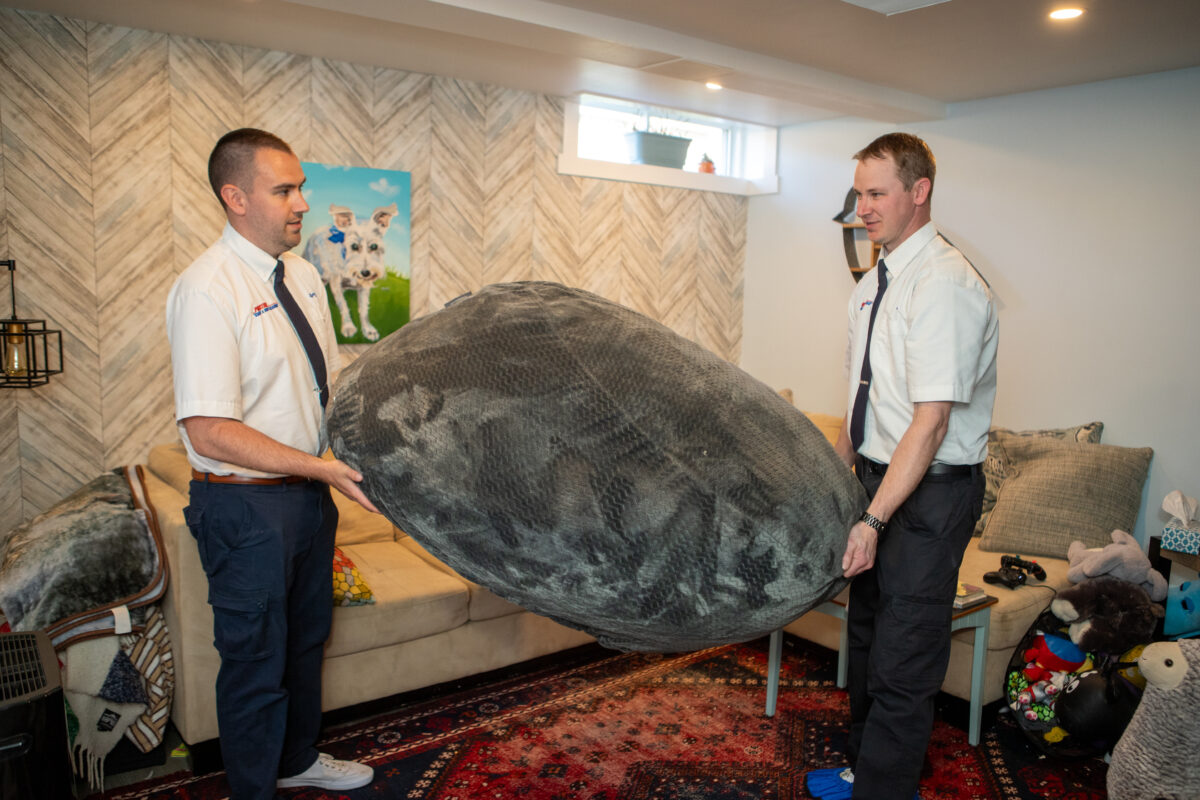
Ready for Cleaner, Fresher Rugs? Let Prestige Handle It.
With 35+ years of experience and thousands of 5-star reviews, Prestige Carpet Cleaning is Durham’s most trusted choice for safe, professional area rug cleaning. From wool and silk to synthetic, natural-fibre, Oriental, Persian, and antique rugs, we use specialized equipment and fibre-safe methods to protect your rug’s colour, texture, and value while delivering a deep, long-lasting clean. Plus, Prestige offers convenient pickup and delivery for area rug cleaning in Durham (see our service areas below)!
Book your cleaning today and let our certified technicians bring your area rug back to life.
Neighbourhood Check: Do We Clean Rugs in Your Area?
Prestige Carpet Cleaning proudly provides professional area rug cleaning across the Durham Region, including in:
- Ajax (including Pickering Village)
- Bowmanville (including Hampton, Newcastle and Orono)
- Cobourg (including Port Hope)
- Oshawa (including Courtice, Harmony and Taunton)
- Pickering (including Cherrywood, Claremont and Greenwood)
- Whitby (including Ashburn, Brooklin, and Myrtle Station)
Area Rug Cleaning FAQ
Below are answers to some of the most common questions we hear about area rug cleaning in Durham.
Have more questions? Check out our Area Rug & Carpet Cleaning FAQs.
How often should I have my area rug professionally cleaned?
Most rugs need professional cleaning every 12 to 24 months, depending on traffic. Homes with pets, kids, allergies, or high foot traffic might require cleaning every 6 to 12 months – or sooner.
If you notice visible dirt, dull colour, pet odours, urine spots, recurring smells, or stains that keep returning, or if allergies are acting up when near the rug, it’s likely time to have it professionally cleaned.
If you’re unsure whether your area rug needs to be professionally cleaned, give us a call – we’re happy to take a look.
Can I steam-clean my area rug at home?
Steam cleaning is safe only for synthetic rugs (nylon, polypropylene, polyester). Do not steam-clean wool, silk, natural fibres (jute, sisal, seagrass), or any Oriental, Persian, antique, or hand-knotted rugs.
Always check the care label first. When in doubt, call a trusted carpet cleaning company for advice and guidance.
How do I get the pet urine smell out of my rug?
If the urine is fresh, immediately blot up as much as possible (don’t scrub). Pet urine penetrates deeply into rug fibres and backing, so typically you’ll need professional enzyme treatment to completely remove odours and bacteria, especially for old stain removal.
Can area rugs be machine-washed?
Only some rugs, such as small cotton rugs, are machine-washable. Always check the tag for care instructions and never machine-wash wool, silk, jute, sisal, seagrass, hand-knotted, Oriental, Persian, or antique rugs.
How do I know if my rug needs professional cleaning instead of DIY?
Choose professional cleaning if your rug is wool, silk, natural fibre, handmade, expensive, sentimental, antique, or it has odours, pet stains, deep dirt, colour bleed, or set-in stains.
If you’re unsure, contact the pros at Prestige – we’ll help you identify your rug type and recommend the safest option.